Your home’s air duct cleaning work around the clock, quietly circulating heated and cooled air through every room. But over time, they also collect dust, pet hair, pollen, and other debris that can affect both your air quality and your HVAC system’s efficiency. One of the most common questions homeowners ask is simple: how often should air ducts actually be cleaned? The answer depends on several factors, including your household, your location, and your HVAC usage. Below, we break down everything you need to know to keep your ducts — and your indoor air clean and healthy.
Why Air Duct Cleaning Matters
Air ducts are the hidden highways of your home’s HVAC system. Every time your furnace or air conditioner runs, air is pushed through these ducts and into your living spaces. If the ducts are dirty, that air carries dust, allergens, and sometimes mold spores along with it. Clean ducts don’t just improve air quality; they also help your HVAC system run more efficiently, which can reduce energy bills and extend the life of your equipment. Neglected ducts, on the other hand, force your system to work harder, leading to higher utility costs and more frequent repairs.
The General Rule: Every 3 to 5 Years
For most homes, professionals recommend cleaning air ducts every 3 to 5 years. This timeline works well for average households without pets, smokers, or significant allergy concerns. It gives enough time for dust and debris to build up naturally without letting it become a serious issue. However, this is a general guideline, not a strict rule. Your actual needs may be shorter or longer depending on your specific circumstances, which we’ll cover next.
Factors That Affect Cleaning Frequency
Not every home is the same, and your air duct cleaning schedule should reflect your unique living situation. Several key factors can shift how often you need professional cleaning. Homes with more contaminants or higher HVAC usage typically need more frequent attention, while newer or lightly used systems can often go longer between cleanings.
- Presence of pets that shed fur and dander regularly
- Household members with allergies, asthma, or respiratory conditions
- Recent home renovations or construction work
- Smoking indoors, which leaves residue in the ductwork
- Frequency of HVAC system use throughout the year
Signs Your Air Ducts Need Cleaning Sooner
Sometimes your ducts will tell you they need attention before your scheduled cleaning date arrives. Visible dust blowing out of vents when the system turns on is one of the clearest signs. A musty or stale odor whenever your HVAC runs can indicate mold or trapped debris inside the ductwork. If you notice increased allergy symptoms at home, or family members sneezing more indoors than outdoors, your ducts could be circulating irritants. Uneven airflow between rooms, or a system that seems to run longer than usual to reach the set temperature, can also point to blocked or dirty ducts.
Benefits of Regular Air Duct Cleaning
Keeping your air ducts on a consistent cleaning schedule offers benefits that go well beyond a fresher smell in your home. Improved indoor air quality is the most noticeable advantage, especially for households with young children, elderly residents, or anyone sensitive to dust and allergens. Clean ducts also support better HVAC efficiency, since air can move freely without fighting through buildup. This efficiency often translates into lower monthly energy bills. Additionally, reducing strain on your system through regular maintenance can help prevent costly breakdowns and extend the overall lifespan of your HVAC unit.
Recommended Cleaning Schedule by Household Type
Because every home is different, it helps to see cleaning frequency broken down by common household situations. The table below offers a practical starting point, though a professional inspection is always the best way to confirm your exact needs.
| Household Type | Recommended Cleaning Frequency |
| Average home, no pets or allergies | Every 3–5 years |
| Homes with pets | Every 2–3 years |
| Recently renovated homes | Immediately after construction |
| Homes with smokers | Every 1–2 years |
What Happens During a Professional Duct Cleaning
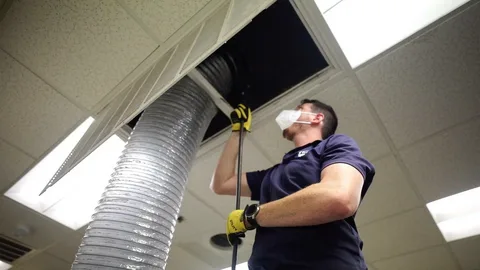
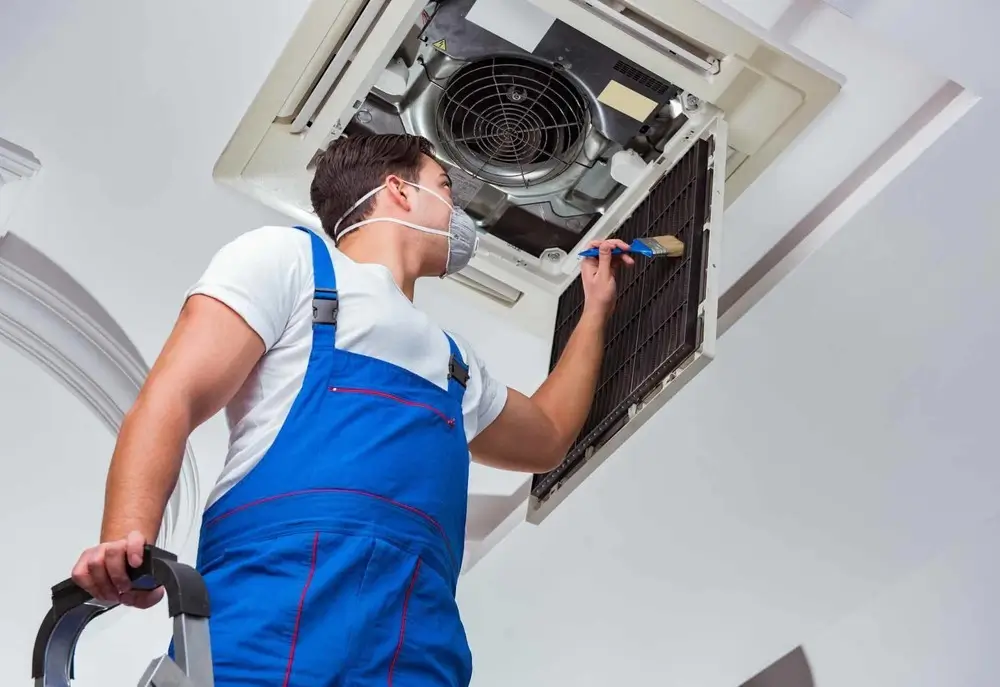
Understanding the process can help you know what to expect when you schedule a service. A professional technician typically inspects the entire duct system first to identify buildup, blockages, or damage. Specialized equipment is then used to loosen and remove dust, debris, and allergens from inside the ducts. Vents and registers are cleaned along with the main ductwork to ensure the whole system is addressed. Many reputable companies also provide before-and-after photos so you can see the difference firsthand, along with a final airflow check to confirm everything is working properly.
How to Choose the Right Air Duct Cleaning Service
Not all duct cleaning companies offer the same level of quality or transparency, so it pays to choose carefully. Look for a company that is licensed, bonded, and insured, which protects both your home and your investment. Transparent, upfront pricing is another important factor; you shouldn’t be surprised by hidden fees once the technician arrives. Reading recent customer reviews can give you a realistic sense of what to expect in terms of professionalism and results. It’s also worth confirming whether the company provides documentation, such as before-and-after photos, so you have proof of the work completed. Finally, same-day or fast availability can be valuable if you’re dealing with an urgent air quality concern.
Final Thoughts
While every 3 to 5 years is a solid general guideline for air duct cleaning, your home’s specific needs, pets, allergies, renovations, or smoking habits can shorten that window considerably. Paying attention to warning signs like dust, odors, or allergy flare-ups will help you catch problems before they escalate. Regular duct cleaning isn’t just about a tidier home; it’s an investment in cleaner air, a more efficient HVAC system, and long-term savings. If it’s been a few years since your last cleaning, or you’re noticing any of the signs mentioned above, scheduling a professional inspection is a smart next step.