Your dryer should finish a load in one cycle, but a clogged dryer vent can turn a simple laundry task into a frustrating routine. Clothes may come out warm but still damp, leaving you running the dryer again and again. That extra drying time does more than delay your laundry. It can also make your dryer use more electricity.
A blocked dryer vent restricts the airflow needed to remove moisture from your clothes. As a result, the dryer has to run longer and work harder to complete the same load. Over time, repeated cycles can contribute to higher energy use and increased electric bills. LST Cleanflow helps homeowners across Maryland, Washington, DC, and Northern Virginia identify and address dryer vent airflow problems. Understanding how a clogged vent affects dryer performance can help you recognize the issue early and take the right steps to improve efficiency.
How Does a Clogged Dryer Vent Increase Energy Use?
The dryer expels hot, moist air outdoors through a vent pipe. As long as this airway is unobstructed, the air vacates quickly, carrying along the humidity. Simple, right? But lint accumulates in the ductway with time and reduces airflow. The dryer senses there are still wet clothes inside, so it keeps heating and running. This means more energy consumption with every dryer cycle throughout the week. It is not just a one-off expense, but a recurring one, delicately increasing your monthly expenses without any awareness of the reasons for the increase in cost.
What Happens When a Dryer Vent Gets Blocked?

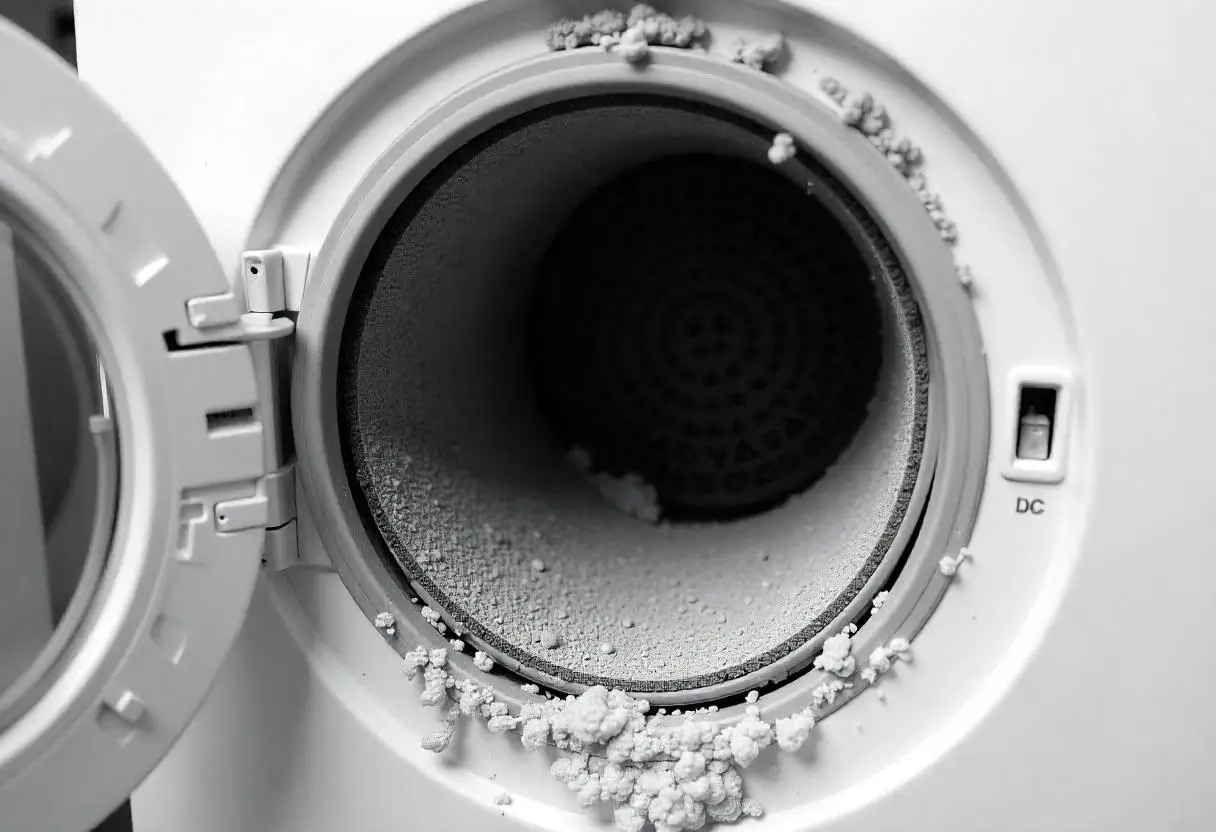
Lint doesn’t just stay at the lint trap. Small fibers slip right past it and travel down into the duct itself. They stick to the inside walls, and more collects on top of that layer each time you dry a load. Slowly, the opening gets narrower. Air that used to move freely now has to push through a much smaller gap. This is normal wear, honestly, especially in homes with long vent runs or a few bends in the pipe. It happens gradually, which is exactly why most people don’t notice until drying times get noticeably worse.
How Much Electricity Can a Clogged Dryer Vent Use?
The exact numbers depend on your machine and how blocked the vent is. But a partially clogged vent can raise drying time by 20 to 50 percent per load. Take a family doing five loads a week. If each load now takes an extra 15 to 20 minutes, that’s over an hour of added dryer runtime every single week. Multiply that across a full year, and it stops being pocket change. Older dryers tend to feel this even more, since they already use more energy than newer, efficient models to begin with.
What Are the Signs of a Clogged Dryer Vent?
A few warning signs tend to show up together, and they’re worth watching for:
- Clothes still feel damp after a full cycle
- The dryer or laundry room feels unusually hot
- You notice a faint burning smell
- The outside vent flap barely moves when running
- Drying takes noticeably longer than before
If you’re seeing two or three of these at once, it’s a pretty clear signal.
Why Does a Dryer Take Longer to Dry Clothes?
Wet air needs a place to go, and if the vent is obstructed, there is nowhere for it to go. Therefore, it would only circulate back into the dryer. The dryer keeps heating, spinning, and trying its best, yet ends up being counterproductive. Some people have to run two cycles to dry one load of laundry. This implies that twice the energy is spent unnecessarily to accomplish such a simple task.
How Can You Reduce Dryer Energy Consumption?
Clean the lint trap before every load, not every third one. Check the outside vent cover too, and make sure it opens freely while the dryer runs. A shorter, straighter vent duct also helps a lot, since every bend gives lint more places to collect. Avoid overloading the dryer as well. A packed drum needs more heat and more time no matter how clean the vent is. None of this takes much effort, but together these small habits can noticeably cut down how much electricity your dryer pulls each month.
How Often Should a Dryer Vent Be Cleaned?
Once a year works for most households. If you have a large family, pets that shed, or you’re doing laundry daily, six to nine months is a safer bet. Vent length matters too. In most cases, a laundry room situated at the center of the home requires longer ducts, which implies that the built-up debris is much heavier. Putting off cleaning until later only allows the lint to accumulate more densely, making the cleaning process more difficult.
Can Dryer Vent Cleaning Help Lower Electric Bills?
Yes, and this is the part people tend to underestimate. A clean vent lets your dryer finish in the time it’s actually built for. Less runtime simply means less electricity used, plain and simple. Homeowners who have their vents cleaned will often see that their drying cycle decreases almost immediately, sometimes even after the first load. Not only does it ease the load on the dryer’s heating element and motor, but it also contributes to the longevity of the appliance. This simple job will give you real savings, and it prevents your appliance from wearing out so fast.
When Should You Schedule Professional Dryer Vent Cleaning?
If it’s been over a year, or you’re noticing the warning signs mentioned earlier, it’s time to book a cleaning. It’s also worth scheduling one after a home renovation, since drywall dust and debris often end up inside ductwork. Just moved into a new home? Get the vent checked even if the previous owner claims it was cleaned recently, since that’s hard to confirm either way. LST Cleanflow’s dryer vent cleaning service covers the entire vent run, not just the section you can reach from the laundry room.
How Can Proper Dryer Vent Maintenance Improve Dryer Performance?
A well-maintained vent means shorter cycles, a cooler-running machine, and less overall strain on the appliance. It also lowers fire risk, since lint buildup is one of the leading causes of home dryer fires each year. Energy savings are really just one benefit among several here. Safety is arguably the bigger one. While we’re on the topic, air ducts collect similar buildup over time too. If your HVAC system feels like it’s working overtime as well, an air duct cleaning might be worth looking into alongside the dryer vent.
Final Thoughts
A blocked dryer vent is hard to detect. You will not see smoke rising, a fire alarm going off, or any indication that something is wrong. Instead, you will just notice that your energy bill is creeping up load after load until it seems very normal. Having your dryer vent checked is easy and pays off: less energy consumption and safer equipment. Do you have longer drying times or a hotter-than-average laundry room at home? Don’t wait for it to grow into a bigger issue. Call LST Cleanflow for a free price quote today because we know Maryland, DC, and Northern Virginia homes like the back of our hand.
Frequently Asked Questions
Q1: Can a clogged dryer vent cause a fire?
Yes. Lint is highly flammable, and a blocked vent traps heat inside, which raises fire risk significantly.
Q2: How long does professional dryer vent cleaning take?
Most jobs take 30 to 60 minutes, depending on the length and layout of the vent run.
Q3: Does dryer vent cleaning damage the vent pipe?
No, when done properly with the right tools, cleaning is safe for metal and flexible duct materials.
Q4: Can I clean a dryer vent myself?
You can handle basic upkeep, but long vents with bends usually need professional equipment to clear fully.
Q5: Does a clogged vent affect indoor air quality?
It can. Blocked vents may push lint and moisture back into your home instead of outside.